Concrete vs. Asphalt Driveways in Lincoln, NE: Which Is Right for Your Home in 2026?
Choosing the right driveway material is one of the most common questions Lincoln, NE, homeowners face. Understanding how concrete driveway paving compares to asphalt can save you money and frustration for decades. Both are widely used across Lancaster County, but they perform very differently under local conditions.
How Each Material Handles Lincoln's Climate
Lincoln's humid continental climate swings from around 17°F in winter to 89°F in summer, putting every driveway through a tough annual workout.
Concrete becomes vulnerable when moisture enters the surface and freezes. Repeated freeze-thaw cycles worsen cracking and surface deterioration, and de-icing salts contribute to long-term wear.
Asphalt is more flexible and handles freezing conditions better, reducing crack formation. The trade-off: hot summers can cause asphalt to soften and deform. Each material has a seasonal weakness in Nebraska.
Does Concrete or Asphalt Hold Up Better in Nebraska Winters?
Asphalt's flexibility gives it a short-term edge in freeze-thaw performance, but a well-built concrete driveway can match it with proper installation, grading, sealing, and drainage.
Asphalt also has a practical winter advantage: its dark color absorbs more sunlight, helping the surface retain heat and accelerate snow melt.
Which Driveway Material Costs Less Over Time?
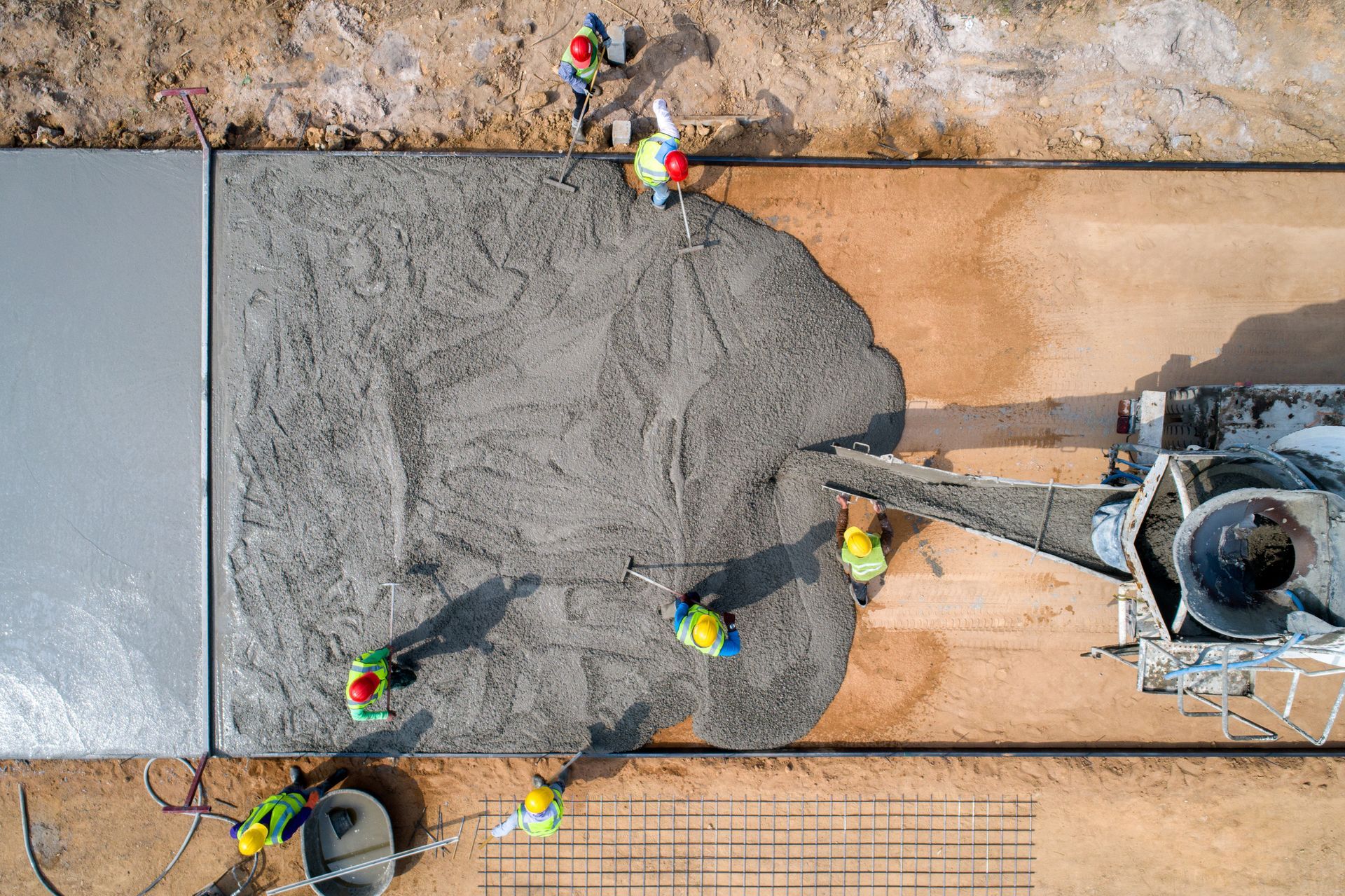
Asphalt is typically more affordable upfront, while concrete driveway paving offers greater durability and lower long-term maintenance costs.
Asphalt requires sealing every 3 to 5 years and more frequent repairs. Concrete needs resealing only every 5 to 10 years. On lifespan, concrete wins decisively, lasting 30 or more years with proper care compared to 15 to 20 years for asphalt.
Curb Appeal and Customization
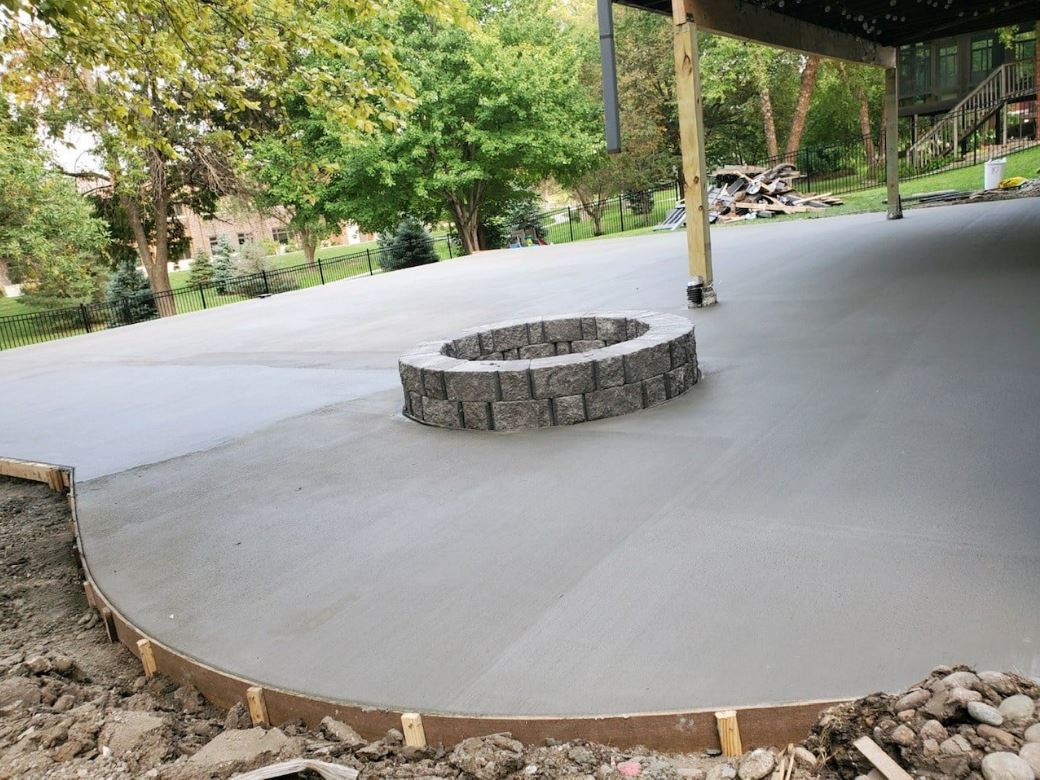
Appearance matters, especially in established Lincoln neighborhoods like Williamsburg, Highlands, and South Lincoln. Asphalt offers a uniform dark look with limited customization, while concrete driveway paving in Lincoln, NE, supports stamping, coloring, and texturing to complement nearly any home exterior.
How Concrete and Asphalt Compare Side by Side
When weighing both materials together, a few differences stand out. Concrete carries a higher upfront cost but delivers a lifespan of 30 or more years, excellent summer heat resistance, strong customization options through stamping, coloring, and texturing, and a lower maintenance frequency with resealing needed only every 5 to 10 years. Asphalt costs less to install and performs more flexibly in freeze-thaw conditions, but it softens in summer heat, requires sealing every 3 to 5 years, and typically lasts 15 to 20 years before replacement becomes necessary. For homeowners focused on long-term value and curb appeal, concrete driveway paving tends to come out ahead, while asphalt suits those prioritizing a lower initial investment.
Ready to Choose? Request Your Free Estimate Today
The right choice comes down to your budget, maintenance tolerance, and how long you plan to stay in your home. Concrete driveways typically win on lifespan and curb appeal, while asphalt appeals to those prioritizing lower upfront costs.
Rodriguez Concrete, LLC serves Lincoln, NE, homeowners with competitive pricing and free estimates seven days a week. Whether you want a stamped concrete driveway or want to explore all your options, their team can walk you through what works best for your property and budget. Call (402) 429-7630 to get started, request a free estimate online, or explore the full range of concrete and asphalt services available in your area.